 Bonus floors
Frozen Floor changes the temperature of the round
Frozen floor matters because it shifts how stable or unstable the next decision feels in the player's head. Frozen Floor, Temple Floor and Triple Build are the named pace-breakers in Tower Rush, so they deserve context instead of hype.
They can change how a round feels, but they do not cancel the need for limits or a clean exit. The right reading is still whether the next step fits the session.
Feature is context
Treat the floor as information inside the round, not as a command from outside it.
Stay with the plan
The original reason for the session still matters more than the surprise.
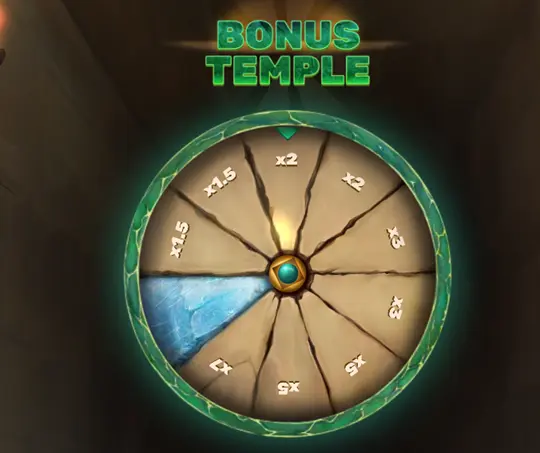
Temple Floor deserves a calmer read than its name suggests
Temple floor can feel dramatic in the moment, which is exactly why this page keeps bringing the discussion back to the next justified choice. Frozen Floor, Temple Floor and Triple Build are the named pace-breakers in Tower Rush, so they deserve context instead of hype.
They can change how a round feels, but they do not cancel the need for limits or a clean exit. The right reading is still whether the next step fits the session.
Triple Build raises the need for discipline, not the need for fantasy
Triple build stands out because it changes the weight of continuing, so the exit question becomes even more important. Frozen Floor, Temple Floor and Triple Build are the named pace-breakers in Tower Rush, so they deserve context instead of hype.
They can change how a round feels, but they do not cancel the need for limits or a clean exit. The right reading is still whether the next step fits the session.
Why special floors can distort the sense of timing
A named event often makes the next floor feel more justified than it really is, even when the session target stayed the same. Good decisions in Tower Rush usually come from limits chosen before the round, not from emotion formed during it.
When the current value already matches the purpose of the round, stopping is part of the plan. When it does not, the next floor should still have a clear job to do.
Quick reference table for the named floor set
A compact table is useful here because the real difference between bonus floors is in how they change reading, not in how flashy they sound. The stable public frame is compact: Galaxsys lists Tower Rush as a Fast or Turbo game, shows RTP at 96.17-97%, and gives the release date as 28 February 2024.
Because the fact set is narrow, it becomes easier to separate what can be checked from what should never be inflated. That is why the tables on these pages stay close to the official frame.
| Named floor | What to remember |
|---|---|
| Frozen Floor | A shift in feel that still needs a reasoned next step |
| Temple Floor | A dramatic interruption that should not erase the session goal |
| Triple Build | A stronger push to re-check the exit plan |
| Whole bonus set | More rhythm change, not less responsibility |
Bonus floors on mobile still need a calm hand
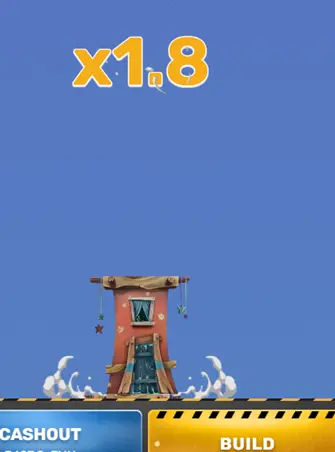
Small screens can make bonus moments feel even faster, which is why posture and touch confidence matter here. On mobile, Tower Rush lives or dies by clarity: the current value, the next action and the touch targets need to stay readable at speed.
That is why mobile advice is less about device prestige and more about posture, connection quality and whether the screen remains calm when the round accelerates.
FAQ
What is the best way to read bonus floors?
As rhythm changes inside the round, not as free permission to keep adding floors.
Which bonus floor matters most?
That depends on the session and the exit plan; the page avoids ranking them as automatic value.
Which page should follow this one?
Exit strategy and Round flow keep the bonus discussion grounded.