 Similar games
The family resemblance starts with pace
Tower rush belongs near other fast games because each round compresses decisions into a short visible window. Tower Rush shares territory with other fast or crash-style games, yet the visible floor structure gives it a different texture.
That difference changes how risk feels: the game becomes about staged commitment instead of one uninterrupted curve, which is why comparisons need more than one buzzword.
Shared DNA
Short rounds, visible pressure and a clear exit question often sit in the same family.
Not identical
The pace may match while the feeling of the next step still differs.
Visible floors change the feel of risk
The floor structure makes commitment feel staged, which is different from a single uninterrupted curve. Tower Rush shares territory with other fast or crash-style games, yet the visible floor structure gives it a different texture.
That difference changes how risk feels: the game becomes about staged commitment instead of one uninterrupted curve, which is why comparisons need more than one buzzword.
Curve-based alternatives feel similar, but not identical
Many players compare tower rush with rising-curve games because both ask for an exit, yet the timing pressure lands differently. Tower Rush shares territory with other fast or crash-style games, yet the visible floor structure gives it a different texture.
That difference changes how risk feels: the game becomes about staged commitment instead of one uninterrupted curve, which is why comparisons need more than one buzzword.
The same players often cross over for a reason
People who like visible timing decisions usually move between these games looking for a familiar pressure with a different shape. Good decisions in Tower Rush usually come from limits chosen before the round, not from emotion formed during it.
When the current value already matches the purpose of the round, stopping is part of the plan. When it does not, the next floor should still have a clear job to do.
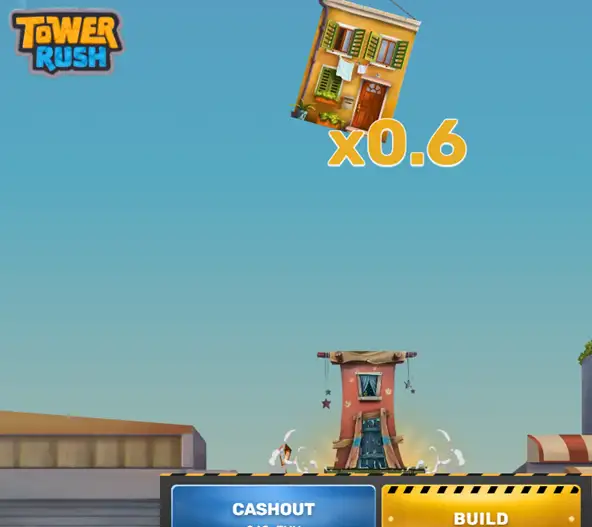
Comparison points worth watching first
A short table works here because most comparison noise disappears once pace, exit feel and screen logic are placed side by side. The stable public frame is compact: Galaxsys lists Tower Rush as a Fast or Turbo game, shows RTP at 96.17-97%, and gives the release date as 28 February 2024.
Because the fact set is narrow, it becomes easier to separate what can be checked from what should never be inflated. That is why the tables on these pages stay close to the official frame.
| Comparison point | Why it matters |
|---|---|
| Round pace | Shows how quickly decisions stack |
| Exit feel | Reveals whether stopping feels staged or continuous |
| Screen logic | Explains how visible the next step really is |
| Session fit | Separates quick check-ins from longer drift-prone play |
The best comparisons still return to Tower Rush itself
Use similar games to sharpen what stands out, then return to the actual round flow and exit questions of tower rush. Good decisions in Tower Rush usually come from limits chosen before the round, not from emotion formed during it.
When the current value already matches the purpose of the round, stopping is part of the plan. When it does not, the next floor should still have a clear job to do.
FAQ
What makes a game similar to Tower Rush here?
Fast rounds, visible pressure and a meaningful exit decision are the main overlap points.
What keeps Tower Rush distinct?
The visible floor chain gives the risk a more staged shape than a single rising curve.
Which page pairs best with this one?
Review and Round flow are the strongest next reads after comparisons.