 Round flow
The first floors are a reading phase
The opening part of the round gives context, but it should not be confused with a promise about where the climb will go. In Tower Rush the round is built around a visible choice between another Build and taking the value already on the screen.
The structure feels simple because the next step is always clear, but the speed of the round means the decision still deserves a reason behind it.
Opening calm
Early pace can hide how quickly the round later asks for harder choices.
No borrowed certainty
A smooth start does not make the next Build safer by itself.
The middle of the climb is where rhythm turns into pressure
The round becomes emotionally louder once the current value starts to feel meaningful and temporary at the same time. Good decisions in Tower Rush usually come from limits chosen before the round, not from emotion formed during it.
When the current value already matches the purpose of the round, stopping is part of the plan. When it does not, the next floor should still have a clear job to do.
Bonus floors break the rhythm on purpose
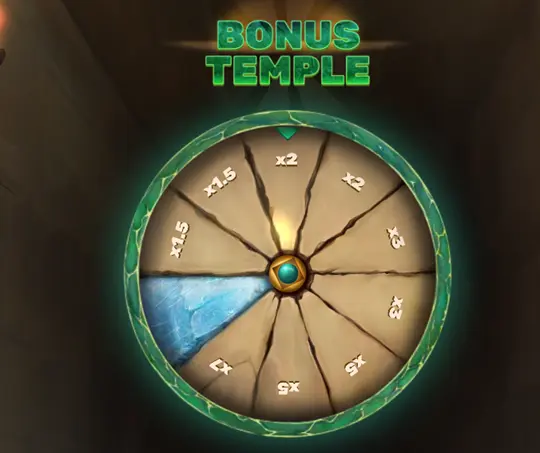
Bonus events matter because they interrupt the usual flow and can change how the player reads the next choice. Frozen Floor, Temple Floor and Triple Build are the named pace-breakers in Tower Rush, so they deserve context instead of hype.
They can change how a round feels, but they do not cancel the need for limits or a clean exit. The right reading is still whether the next step fits the session.
Why short sessions read better in this structure
Shorter sessions often keep the flow legible because they leave less room for a fast game to become a reflex. Good decisions in Tower Rush usually come from limits chosen before the round, not from emotion formed during it.
When the current value already matches the purpose of the round, stopping is part of the plan. When it does not, the next floor should still have a clear job to do.
A simple stage map for one round
A stage table helps because tower rush changes feel before the rules change. The stable public frame is compact: Galaxsys lists Tower Rush as a Fast or Turbo game, shows RTP at 96.17-97%, and gives the release date as 28 February 2024.
Because the fact set is narrow, it becomes easier to separate what can be checked from what should never be inflated. That is why the tables on these pages stay close to the official frame.
| Round stage | What usually matters most |
|---|---|
| Opening floor | Read the live screen and keep the target narrow |
| Visible climb | Notice whether the current value already meets the round goal |
| Bonus interruption | Re-read the state instead of treating the event as an order to continue |
| Late decision | Stop if the next floor has no clear job left to do |
Even rhythm depends on the platform around the game
Loading quality, input delay and payment limits all sit outside the game math but still shape how the round feels to a real player. The site that opens Tower Rush matters almost as much as the game itself because payments, limits and local availability sit on the operator side.
A clean game page helps, but it never replaces checking licence fit, account rules and money handling before the session starts.
FAQ
What does round flow change in practice?
It helps the player notice when the next floor stopped being neutral and became a real pressure point.
Do bonus floors reset the logic of the round?
No. They interrupt the flow, but the player still has to decide whether more exposure fits the plan.
Which page pairs best with this one?
How to play and Exit strategy are the closest companion pages.