 How to play
Read the opening screen before touching pace
The first seconds are not there to impress but to tell the player what is live, what is current and what another build would expose. A useful how-to-play page should reduce noise and make the sequence easier to follow in real time. Tower Rush works best when the page keeps the live decision visible instead of turning the round into noise.
That matters because the player always sees a current value and a next step. The clean question is whether another floor still serves the session or only extends exposure.
First read
Look at the live value and your own limit before you think about style.
No magic sequence
There is no hidden order of clicks that turns the game safe.
What Build actually changes
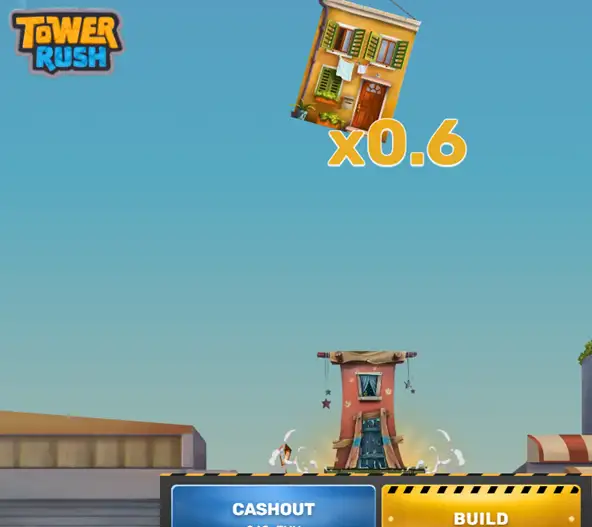
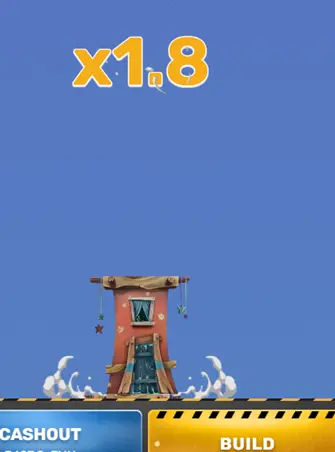
Pressing build is a commitment to another floor, not a passive wait for a reel to settle. In Tower Rush the round is built around a visible choice between another Build and taking the value already on the screen.
The structure feels simple because the next step is always clear, but the speed of the round means the decision still deserves a reason behind it.
Why Cash out is part of playing, not a retreat
Cash out is the move that turns a visible value into a finished decision inside the round. Good decisions in Tower Rush usually come from limits chosen before the round, not from emotion formed during it.
When the current value already matches the purpose of the round, stopping is part of the plan. When it does not, the next floor should still have a clear job to do.
How bonus floors interrupt the normal sequence
Bonus floors should be read as changes of rhythm, not as proof that every round now deserves another step. Frozen Floor, Temple Floor and Triple Build are the named pace-breakers in Tower Rush, so they deserve context instead of hype.
They can change how a round feels, but they do not cancel the need for limits or a clean exit. The right reading is still whether the next step fits the session.
The most common mistakes on a fast page
Most mistakes come from turning a visible loss, a near miss or a quick win into pressure for an immediate extra floor. Good decisions in Tower Rush usually come from limits chosen before the round, not from emotion formed during it.
When the current value already matches the purpose of the round, stopping is part of the plan. When it does not, the next floor should still have a clear job to do.
| Mistake | Why it happens |
|---|---|
| Playing the pace | The round feels simple, so risk looks smaller than it is |
| Late exit | The visible value is treated as temporary instead of already usable |
| Bonus chasing | A named feature is mistaken for a reason to keep adding exposure |
| Session drift | No time or budget limit was fixed before the round |
Finish by checking screen comfort and session fit
The same game can feel clearer or more rushed depending on screen size, posture and connection quality. On mobile, Tower Rush lives or dies by clarity: the current value, the next action and the touch targets need to stay readable at speed.
That is why mobile advice is less about device prestige and more about posture, connection quality and whether the screen remains calm when the round accelerates.
FAQ
What is the key move to understand first?
Understand that Build adds exposure and Cash out is the clean finish to the same round.
Should bonus floors change the basic sequence?
They change the feel of the round, but the basic question stays the same: is another floor still justified?
Which page should come next after this one?
Round flow and Exit strategy help most after the play basics.