 Exit timing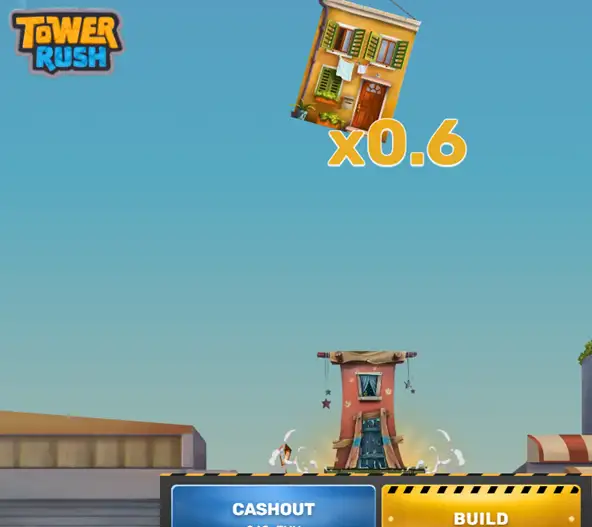
Define the exit before the round speeds up
The cleanest exits usually come from a range chosen in advance rather than from a feeling invented in the middle. A useful exit page shows how to finish a round, not how to dream about the one that got away. Tower Rush works best when the page keeps the live decision visible instead of turning the round into noise.
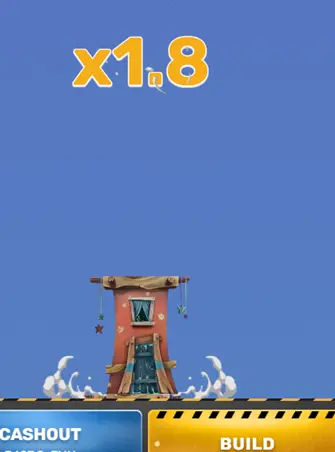
That matters because the player always sees a current value and a next step. The clean question is whether another floor still serves the session or only extends exposure.
Range first
A narrow target can be more useful than a dramatic dream of a perfect climb.
Exit is not fear
Stopping when the planned value appears is part of the design of the round.
Ask what the next floor still has to do
Another build should still have a job to do, otherwise the click is only extending exposure. Good decisions in Tower Rush usually come from limits chosen before the round, not from emotion formed during it.
When the current value already matches the purpose of the round, stopping is part of the plan. When it does not, the next floor should still have a clear job to do.
The most dangerous timing errors come after a miss or a quick win
Emotion can make the visible value feel either too small or too urgent, even when the round itself has not changed. Good decisions in Tower Rush usually come from limits chosen before the round, not from emotion formed during it.
When the current value already matches the purpose of the round, stopping is part of the plan. When it does not, the next floor should still have a clear job to do.
Bonus floors still need an exit plan
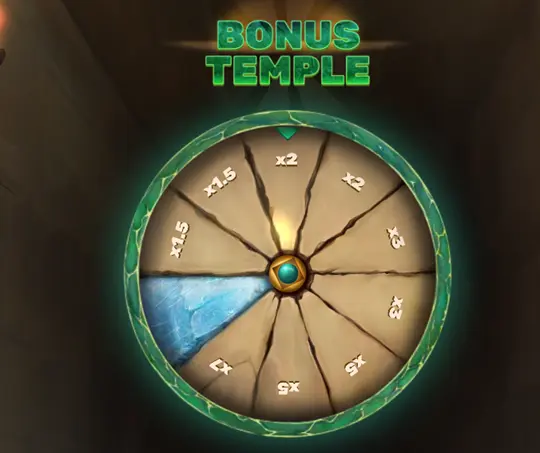
Named bonus events may interrupt the flow, but they do not remove the need to recognise when the round already did enough. Frozen Floor, Temple Floor and Triple Build are the named pace-breakers in Tower Rush, so they deserve context instead of hype.
They can change how a round feels, but they do not cancel the need for limits or a clean exit. The right reading is still whether the next step fits the session.
A small map of cash-out situations
Scenario tables help because the right exit often depends on session context more than on imagination. The stable public frame is compact: Galaxsys lists Tower Rush as a Fast or Turbo game, shows RTP at 96.17-97%, and gives the release date as 28 February 2024.
Because the fact set is narrow, it becomes easier to separate what can be checked from what should never be inflated. That is why the tables on these pages stay close to the official frame.
| Situation | Cleanest reaction |
|---|---|
| Goal already met | Take the value and close the round |
| Value feels meaningful but no plan exists | Pause and reduce pace before another click |
| Bonus floor appears | Re-read the round instead of assuming automatic extra value |
| After a miss | Reset the target before opening a new round |
Exit timing is tighter on a small screen
Mobile play can make the final decision feel faster, which is why comfort and touch accuracy matter so much here. On mobile, Tower Rush lives or dies by clarity: the current value, the next action and the touch targets need to stay readable at speed.
That is why mobile advice is less about device prestige and more about posture, connection quality and whether the screen remains calm when the round accelerates.
FAQ
What is the main exit lesson on this page?
Choose the target range before the round and let the visible value decide the finish, not the mood of the moment.
Do bonus floors replace exit discipline?
No. They change context, but the need for a justified exit remains the same.
What is the best companion page here?
Round flow and Safer play both help the exit discussion stay grounded.